
DIY Skincare Tips: When to See a Dermatologist

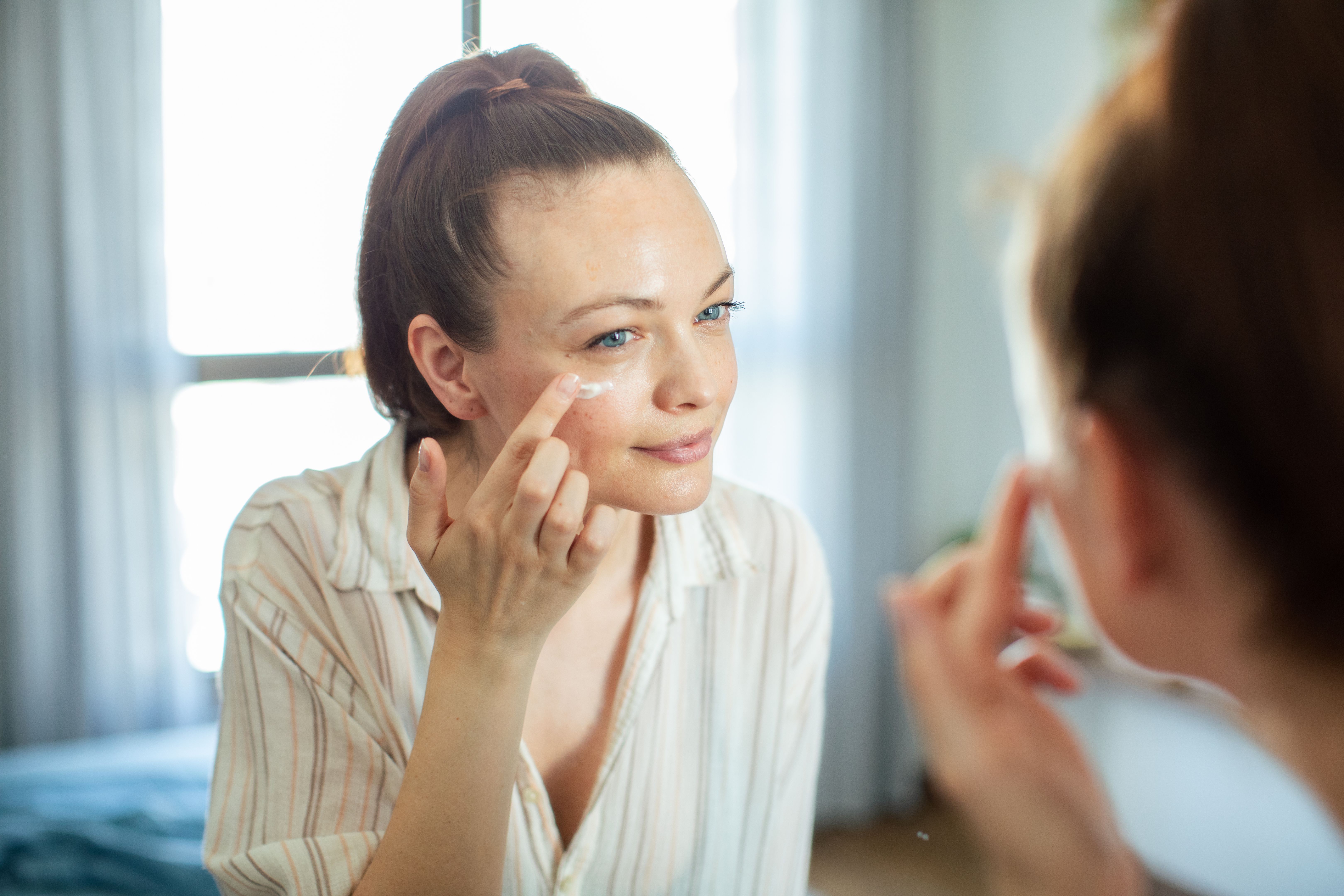
DIY skincare has become increasingly popular, with many people exploring natural ingredients and homemade remedies. While these methods can be effective, it's important to know when professional help might be necessary. In this post, we'll explore some DIY skincare tips and highlight when it's best to seek advice from a dermatologist.
Understanding Your Skin Type
Before diving into DIY skincare, it's crucial to understand your skin type. Whether you have oily, dry, combination, or sensitive skin will determine which ingredients will work best for you. For instance, those with oily skin might benefit from clay masks, while dry skin types might need more hydrating ingredients like honey or aloe vera.
Experimenting with different ingredients can be fun, but listen to your skin's responses. If you notice irritation or breakouts, it might be time to consult a professional.
Common DIY Ingredients and Their Benefits
Many kitchen staples can double as skincare ingredients:
- Oatmeal: Great for soothing and calming irritated skin.
- Coconut Oil: Provides excellent moisture and can be used as a gentle makeup remover.
- Green Tea: Known for its antioxidant properties, it can help reduce inflammation.
While these ingredients can be beneficial, it's essential to use them correctly. Misuse can lead to adverse effects, such as clogged pores or allergic reactions.
Signs It's Time to See a Dermatologist
While DIY skincare can address minor concerns, there are times when professional help is necessary. Here are some signs to watch for:
- Persistent acne that doesn't improve with home treatments.
- Unexplained rashes or irritation.
- Changes in moles or skin growths.
- Severe dryness or flakiness that won't resolve with hydration.
When DIY Isn't Enough
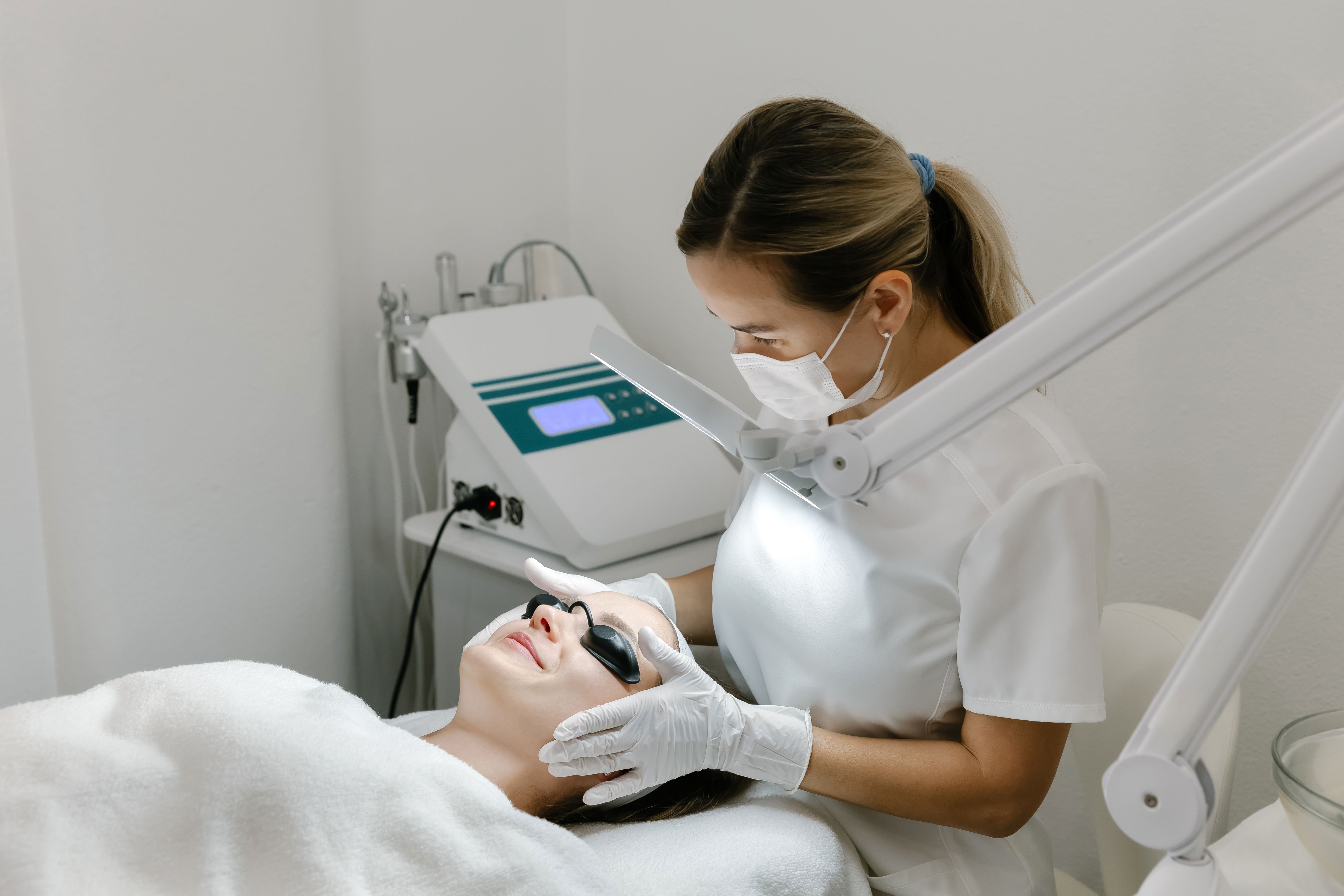
Sometimes, even the best DIY efforts can't replace professional treatments. Dermatologists have access to advanced therapies and prescriptions that can target skin issues more effectively. If you find yourself constantly battling skin problems despite your DIY efforts, it may be time to seek expert advice.
A dermatologist can provide personalized recommendations based on your skin type and concerns, ensuring that you receive the most effective treatment possible.
Combining DIY with Professional Care
DIY skincare and professional care don't have to be mutually exclusive. In fact, they can complement each other beautifully. By consulting with a dermatologist, you can create a balanced skincare routine that incorporates both homemade remedies and medical treatments.
Regular check-ups with a dermatologist can also help prevent potential skin issues and keep your skin healthy and glowing.
Conclusion
DIY skincare offers a fun and natural way to care for your skin, but it's crucial to recognize when it's time to see a dermatologist. By understanding your skin type, using appropriate ingredients, and seeking professional advice when needed, you can achieve the best possible results for your skin. Remember, healthy skin is a combination of good habits, quality products, and professional guidance.