
Breaking Down Common Skincare Myths: Facts vs. Fiction

Skincare is an essential part of many people's daily routines, yet it's often surrounded by myths and misconceptions. Understanding the truth behind these myths can help you make better decisions for your skin.
Myth #1: Oily Skin Doesn't Need Moisturizer
One of the most common misconceptions is that oily skin doesn't require moisturizer. In reality, all skin types need hydration. Skipping moisturizer can actually lead to increased oil production as your skin tries to compensate for the lack of moisture. Choose a lightweight, non-comedogenic moisturizer to keep your skin balanced.

The Science Behind It
When your skin is dehydrated, it signals the sebaceous glands to produce more oil. This can result in clogged pores and breakouts. By using the right moisturizer, you can prevent this overproduction and maintain healthy skin.
Myth #2: Natural Ingredients Are Always Better
While natural ingredients can be beneficial, they are not always better for your skin. Some natural substances can cause irritation or allergic reactions. It's crucial to understand your skin's needs and choose products based on ingredients that are scientifically proven to be effective.

Understanding Ingredients
Whether natural or synthetic, the key is to look for ingredients that suit your skin type. Research and patch testing can help you determine what works best for you, ensuring a safe and effective skincare routine.
Myth #3: You Don't Need Sunscreen on Cloudy Days
Many believe that sunscreen is only necessary on sunny days. However, UV rays can penetrate through clouds and cause skin damage even on overcast days. Wearing sunscreen daily is essential to protect your skin from harmful UV radiation.

The Importance of Daily Protection
Consistent sunscreen use helps prevent premature aging and reduces the risk of skin cancer. Opt for a broad-spectrum sunscreen with at least SPF 30 for daily use to ensure adequate protection.
Myth #4: Expensive Products Are More Effective
Price doesn't always equate to quality when it comes to skincare. Many affordable products contain active ingredients that are just as effective as their high-end counterparts. Focus on the ingredients and their benefits rather than the price tag.
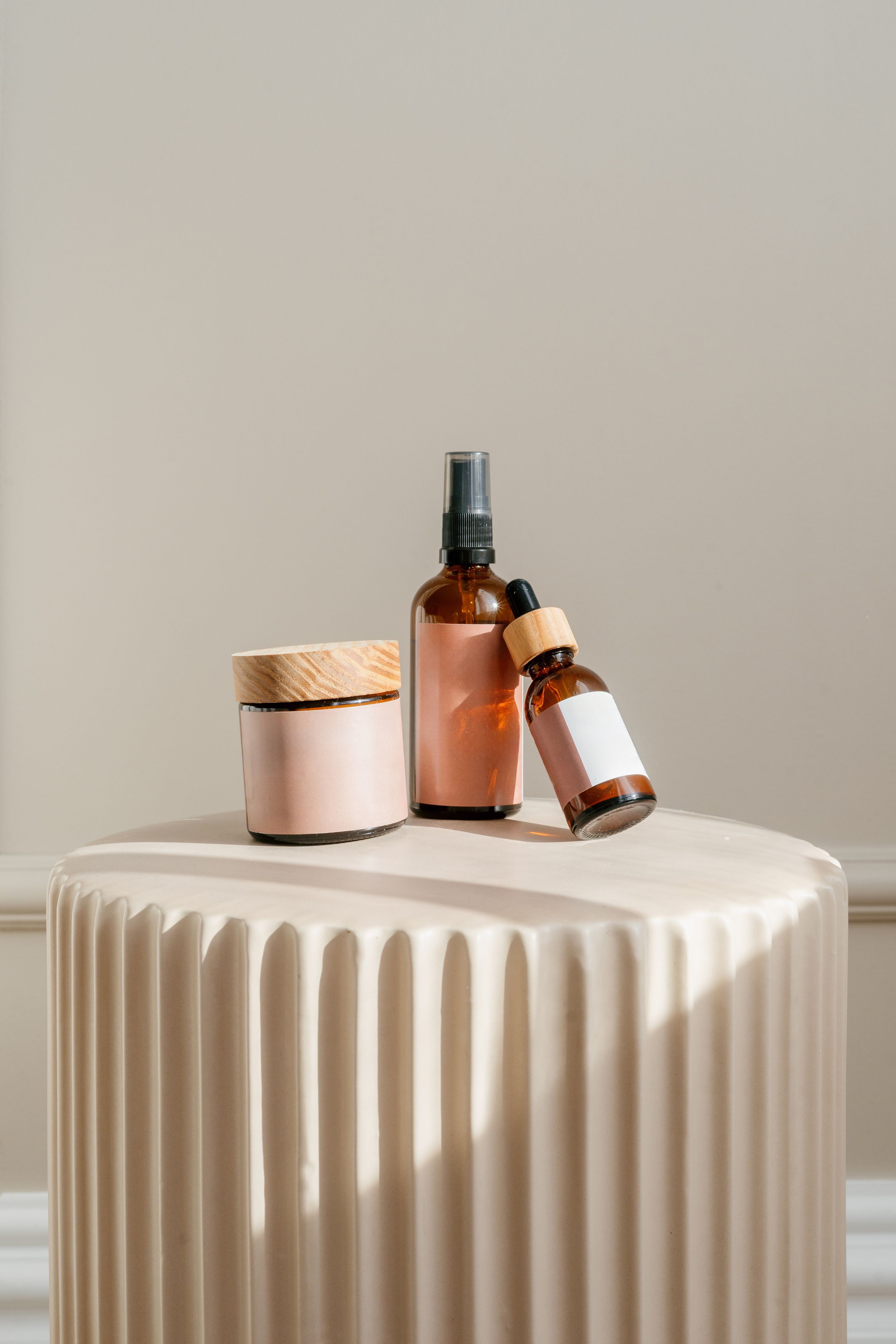
How to Choose the Right Products
Evaluate products based on their formulation and how they address your specific skin concerns. Consulting with a dermatologist can also provide personalized recommendations, helping you achieve your skincare goals without overspending.
Understanding these common skincare myths can empower you to make informed decisions and tailor your routine to your skin's unique needs. Remember, effective skincare is about consistency and using products that truly benefit your skin.